
Why Younger Evangelicals Are Looking for Older Worship
/
My son and his friends tried something last Sunday, and they are not alone. Young evangelicals are making choices that would have shocked the church-growth experts from the 1990s. More young people are walking into Orthodox parishes, Catholic Masses, Anglican services, Presbyterian churches, and Lutheran sanctuaries because the worship feels older, thicker, less manufactured, and more trustworthy. Not every one of them is converting. Headlines love drama. Still, something real is happening. In a world full of Photoshop, algorithms, and AI, many younger Christians are asking if worship should be less about what we create and more about a faith we receive (Jude 3). This question could mark the next major shift in evangelical worship.
This is not the first time evangelical worship has shifted between generations. It’s been happening since the beginning. I’ve been thinking about what we can see from where we stand today. Churches from the Greatest Generation valued reverence. Baby Boomer churches focused on being relevant. Gen X looked for conviction. Now, a new generation seems to want something lasting and tangible. The real issue is not about which generation was right or wrong, but about what each group values, why those values changed worship, and whether those values are disciplined by Scripture or quietly left unchecked.
Each generation often sees things their parents missed and forgets things their grandparents understood. This does not mean every change is wise, but it does make each shift easier to understand. Worship practices are never neutral (Colossians 3:16-17; Hebrews 12:28-29). Things like architecture, clothing, music, preaching style, lighting, sacraments, and the minister’s role all send messages about God, the church, the world, and Christian life. Some messages are intentional, while others are picked up without much thought. The risk comes when a generation confuses its own instincts with true biblical faithfulness.
Received Reverence
Churches built by the Greatest Generation often valued reverence, duty, order, and respect in the community. The gathering space felt like a true sanctuary. Preachers wore ties and usually jackets. Preaching was typically textual and doctrinal, sometimes revivalistic, and often included a little “fire and brimstone.” Music came from congregational singing, piano, and organ. The notes echoed in the rafters. Worship was formal, predictable, and communal. People dressed up for church because it was not seen as a casual place. It belonged to the Lord, and people entered with clear seriousness.
This expression of worship had strengths. It recognized God’s holiness and saw the church as a covenant community, not just a group of religious consumers. It kept a sense of sacred space and shared responsibility. But it also had weaknesses. Reverence could harden into a desire to look respectable. Formality could become a substitute for spiritual vitality. Legalism had too much room to flex. Someone could look ready for worship but remain untouched by God’s Word. A suit can hide a cold heart just as much as a graphic tee.
Marketed Relevance
Churches influenced by Baby Boomers—sometimes called Jesus Freak, Seeker-Sensitive, or Purpose-Driven—often valued accessibility, authenticity, informality, and evangelistic effectiveness. While Received Reverence made church feel sacred, Marketed Relevance wanted the church to feel welcoming. Sanctuaries turned into auditoriums. Pulpits became music stands or plexiglass lecterns. Preachers stopped wearing ties and jackets. Some preachers bought expensive sneakers. Music grew to include guitars, drums, praise teams, and full bands. The lights came down. The stage became central. Topical preaching was king, often beginning with the felt needs of the listener: marriage, parenting, stress, money, purpose, or fulfillment. More church consultants appeared, bringing more programs, clearer branding, measurable goals, and constant pressure to make Sunday morning feel accessible to the outsider. (This shift is captured in the film, “Jesus Revolution.”)
The Boomer approach to worship had significant strengths. It remembered that lost people were actually lost, that churches could become unnecessarily confusing for outsiders, and that sermons should connect biblical truth to real human struggles. But it also had serious weaknesses. In trying to remove unnecessary barriers, churches sometimes stripped away things that mattered. Worship could morph from shaping saints before God to just creating an experience for religious consumers. The congregation became more like an audience, the service like a product, and the pastor like a presenter. Preaching became more about making people feel good than about true discipleship. The real risk was not guitars, screens, casual clothes, or practical sermons, but letting practical usefulness become the main measure of faithfulness (2 Timothy 4:1-5).
Recovered Conviction
Churches influenced by Gen X the Young, Restless, and Reformed movement valued biblical authority, doctrinal depth, theological clarity, and seriousness about the local church. (Oh, that describes this author.) Where Marketed Relevance wanted the church to feel approachable, Recovered Conviction wanted the local church to feel anchored. The lights came back up. The Bible moved back to the center. Sermons became longer, denser, and more focused on the text. Expositional preaching became the norm, often going through books of the Bible, with the main point of the passage setting the agenda for the sermon and, in turn, the entire worship service. Music still used guitars, drums, and bands, but the lyrics were expected to have more theological depth. Hymns made a comeback, sometimes with new arrangements. Songwriters with weak theology or questionable ecclesiology were often rejected. Doctrine mattered. (This shift is featured in the movie, “The Calvinist.”)
This way of worship had real strengths. It recovered confidence in Scripture, seriousness in preaching, theological depth in worship, and concern for meaningful church membership, elders, discipleship, and discipline. It reminded churches that Christians are shaped by truth, not merely by atmosphere or accessibility. But it also had weaknesses. Theological precision could be mistaken for spiritual maturity. Discernment could turn into cynicism. Conference culture and celebrity pastors sometimes replaced the church-centered instincts the movement wanted to recover. Worship could become intellectually rich but emotionally cautious, or it could lack beauty. The danger wasn’t doctrine, exposition, theological songs, or strong ecclesiology. The danger was letting conviction become identity, and identity become a tribe.
Disenchanted Authenticity
The Millennial generation sits between Recovered Conviction and Embodied Permanence, and their impact is harder to define because they often move in two directions at once. Many Millennials were drawn to Gen X’s focus on doctrine. They wanted serious preaching, deeper theology, meaningful membership, and churches that did more than just follow the latest leadership trends. Others felt the same longing now seen among younger evangelicals. They wanted worship that felt less artificial, more grounded, more communal, and more real. Some ended up deconstructing their faith, while others started looking for the path younger generations are now taking. Regardless of direction, they all sought a stronger community. In many ways, Millennials became a hinge generation. They grew up in seeker-sensitive churches, were shaped by the Reformed resurgence, and began to question whether the church’s worship, leadership, and community life truly matched its beliefs. Instead of creating a single new worship style, their main contribution was a call for integrity. They wanted conviction, but they wanted it to be something they could live out, sing about, confess, practice, and trust. It’s complicated, as some leaned one way but felt pulled in the opposite direction.
Embodied Permanence
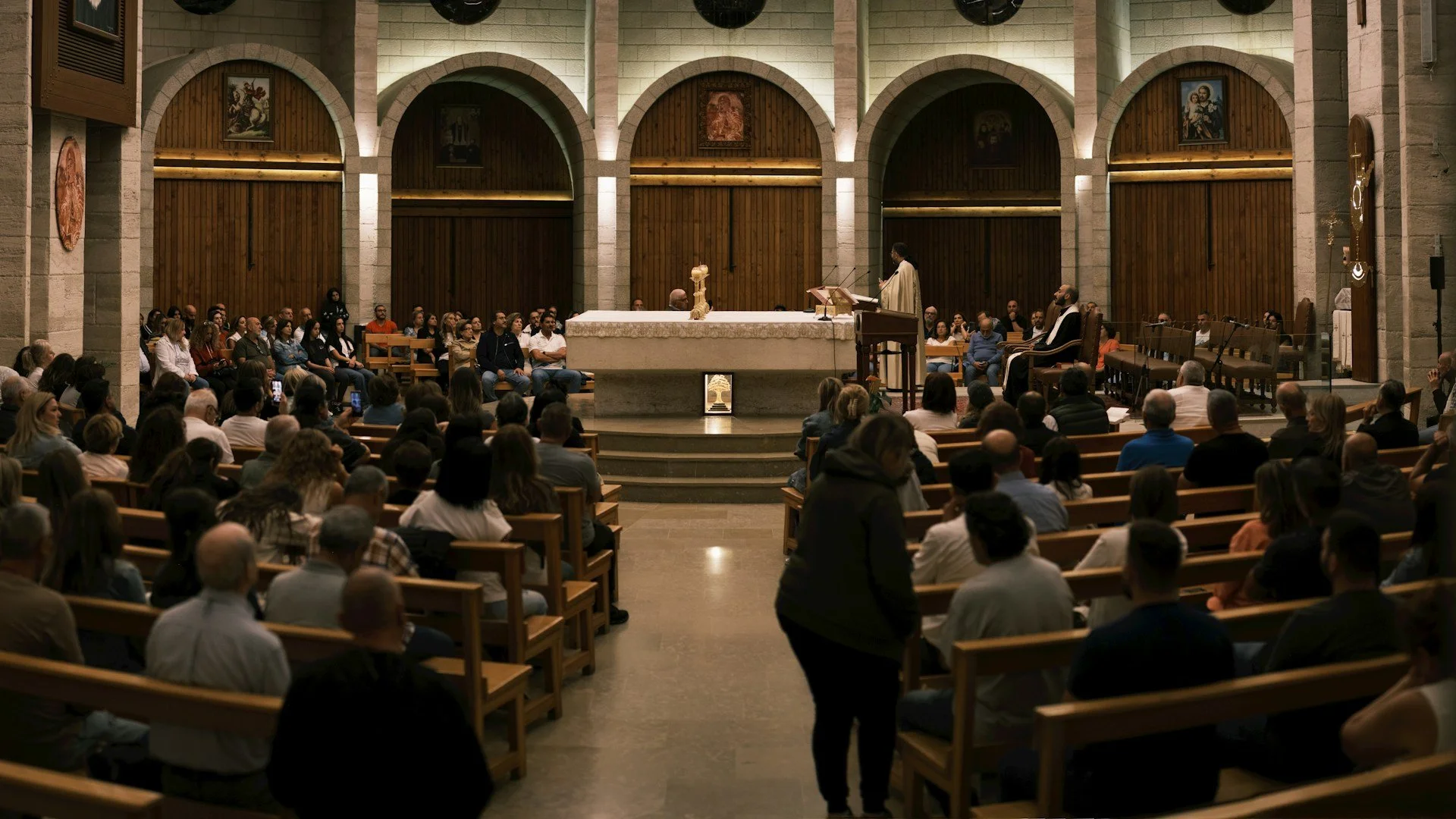
The churches drawing many younger evangelicals today often value rootedness, beauty, continuity, sacrament, and embodied worship. Where my generation’s Recovered Conviction wants the church to feel anchored in the Text, Embodied Permanence wants the church to feel received from the past, with a kind of authenticity that cannot be manufactured by AI. Architecture matters again. The Table matters. The calendar, the creed, the prayers, and even body posture all contribute to forming the worshiper. Robes on ministers can feel less like artificial formality and more like a way to hide the man's personality and highlight the office he holds. Weekly communion is seen not as an optional add-on but as a regular act of worship. Preaching is not abandoned, but it takes a new place. The sermon becomes part of a larger act of worship shaped by Scripture, prayer, confession, creed, and the Table. In a world of Photoshop, algorithms, AI, and constant self-invention, this expression feels durable. It feels “real.” (While news stories report the shift, Matthew Bingham’s book, A Heart Aflame for God: A Reformed Approach to Spiritual Formation, gets at what young people are looking for.)
This expression of worship carries real strengths. It remembers that Christians are not merely brains receiving information or consumers evaluating an experience. We are embodied creatures formed by repeated practices, shared words, visible signs, and gathered worship (Acts 2:42; 1 Corinthians 10:16-17). It pushes back against celebrity-driven ministry by emphasizing office over personality. It recovers the fact that the church did not begin with us, which remains disappointing news to every generation, but useful all the same. Yet, it also has weaknesses. Beauty can become aestheticism. Tradition can become authority. Sacrament can be detached from the preached Word. A longing for rootedness can lead some to Rome or Eastern Orthodoxy without adequately wrestling with justification, Scripture, the nature of the church, or the priesthood of all believers. The danger is not liturgy, robes, weekly communion, ancient prayers, or historical awareness. The people of God have walked this path before. The danger is allowing permanence to become a substitute for biblical faithfulness.
The Real Question Is Not Style
The real question isn’t whether churches should use organs or guitars, robes or jackets, weekly or monthly communion, stained glass or black ceilings. The real question is whether our worship is shaped by Scripture or just by generational habits. Every generation brings real concerns. Every generation also brings its own idols and blind spots. The church’s job is not to chase after generational values but to bring those values under the authority of God’s Word. So when my son and his friends walk into worship gatherings with older liturgy and older prayers, I’m not worried that they are asking the question. I’m more concerned that every generation learns to answer it with an open Bible.