Did Israel Receive the Promised Land or Lose It?

In episode 4 of “Israel, the Church, and God’s Promises,” Bryan Catherman and Josiah Walker move from Abraham and Sinai into Joshua, David, and exile. The question is simple enough on the surface: Did Israel receive the promised land, or did they blow it? The answer is yes. Welcome to biblical theology, where the answers are clear but not always convenient for people who want them printed on a bumper sticker.

Joshua 21 says the Lord gave Israel all the land he swore to give their fathers, they took possession of it, and not one word of all God’s good promises failed. That matters. Christians should not talk as if the land promise was never fulfilled in any real sense. The text says God kept his promise. Israel received the land. Full stop. But Joshua is not the end of the story. The land mattered, but the land was never the whole goal.

That becomes clearer in 2 Samuel 7, where the promise moves forward through David. Israel needs more than land. They need a faithful king, God’s presence, covenant faithfulness, and a kingdom that lasts. God promises David a house and a throne forever, which pushes the story beyond mere geography. A place to live is good, but sinful people in a good land still have the same old problem. The dirt was never going to regenerate anyone. Soil is useful, but it is not the Holy Spirit.

Then the story turns ugly. The kingdom divides, the kings rebel, Israel and Judah break the covenant, and exile comes. The northern kingdom falls in 2 Kings 17, and Judah falls in 2 Kings 25. Exile was a covenant judgment, but it was not divine failure. God had kept his promises, and Israel had broken the covenant. Both truths have to be held together. If we miss either one, we flatten the Bible and end up with slogans instead of Scripture.

All of this sets up the prophets, who speak of something deeper than borders and national recovery. Israel needs forgiveness, cleansing, heart change, covenant renewal, and a true Davidic king. So before we rush to modern Israel, politics, prophecy, or policy questions, we need to follow the Bible’s own storyline. God gave the land. Israel broke the covenant. The story still points beyond the land to the greater restoration only God can bring. Subscribe and listen wherever you get podcasts, watch on our YouTube channel, or listen here:

Salty Believer Unscripted Did Israel Receive the Promised Land or Lose It?

Subscribe to Salty Believer Unscripted wherever you listen to podcasts, or visit the Salty Believer Unscripted podcast page for subscription options and the full episode archive.

Israel at Sinai: Chosen for What?

In episode 3 of “Israel, the Church, and God’s Promises,” Bryan Catherman and Josiah Walker turn to Sinai and ask what Israel’s chosenness actually meant. That question matters because Israel’s election is often misunderstood. God did not choose Israel because they were impressive, powerful, morally superior, or unusually good at keeping covenant. Deuteronomy 7 says the opposite. The Lord chose Israel because he loved them and because he was keeping the oath he swore to their fathers. In other words, Israel was chosen by grace. Apparently God has never been especially interested in auditioning nations for moral excellence. Shocking, I know.

Anchored in Exodus 19 and Deuteronomy 7, this episode looks at Israel as God’s treasured possession, a kingdom of priests, and a holy nation. Israel’s chosenness was real, but it was never meant to terminate on Israel alone. God set Israel apart for the sake of his larger redemptive purposes, including blessing for the nations. Bryan and Josiah also discuss why the law followed redemption. God did not give Israel the law so they could earn deliverance from Egypt. He redeemed them first, then gave them the law as his covenant people. Grace came before Sinai. Obedience was the response of a redeemed people, not the purchase price of redemption.

The episode also considers how the land functioned under the Mosaic covenant. Israel’s possession and enjoyment of the land were covenantally conditioned. The land mattered, but the deeper issue was always whether an unholy people could dwell with a holy God. That is why exile was not a glitch in the system. Exile was covenant judgment.

All of this sets the stage for the prophets, who looked beyond external possession and national identity to the need for heart change, the work of the Spirit, and the promise of the new covenant. If we are going to think clearly about Israel, the Church, and God’s promises, we have to understand Sinai, holiness, covenant blessing, covenant judgment, and the problem of the human heart. Subscribe and listen wherever you get podcasts, watch on our YouTube channel, or listen here:

Salty Believer Unscripted Israel at Sinai: Chosen for What?

Subscribe to Salty Believer Unscripted wherever you listen to podcasts, or visit the Salty Believer Unscripted podcast page for subscription options and the full episode archive.

What Did God Promise Abraham? Israel, the Church, and God’s Promises

Before Christians jump to headlines, modern Israel, prophecy charts, or end-times conclusions, we should probably do something reckless and open the Bible. In episode 2 of “Israel, the Church, and God’s Promises,” Bryan Catherman and Josiah Walker slow down and ask the foundational question: What did God actually promise Abraham? That question matters because the conversation about Israel and the Church does not begin with modern politics, current events, or someone’s laminated end-times timeline from 1987. It begins in Genesis, where God makes covenant promises to Abraham.

In this episode, Bryan and Josiah walk through Genesis 12, 15, 17, and 22, tracing the promise of land, seed, and blessing. These promises are real. They are covenantal. They are rooted in history. God truly made promises to Abraham and his offspring. At the same time, those promises are already bigger than one man, one nation, or one strip of land.

If we are going to think clearly about Israel, the Church, and God’s promises, we have to begin where the Bible begins. Genesis gives us the framework for understanding the rest of the story, including the people of God, the nations, the covenants, Christ, and the fulfillment of God’s redemptive plan. This second episode starts where this conversation has to start: with Abraham and the promises of God. Listen and subscribe to Salty Believer wherever you get podcasts, watch on our YouTube channel, or listen here:

Salty Believer Unscripted More Than Land: God's Promise to Abraham

Subscribe to Salty Believer Unscripted wherever you listen to podcasts, or visit the Salty Believer Unscripted podcast page for subscription options and the full episode archive.

Redemption Song by Sean Demars

Why do Christians sing?

That question may sound simple, but it gets underneath far more than musical preference, Sunday morning style, or whether someone thinks the worship leader picked the right key. Congregational singing is not filler. It is not the spiritual warm-up act before the sermon. It is one of the ways God’s redeemed people respond to his saving work.

In Redemption Song: A Primer on Singing for the People of God, Sean DeMars helps Christians think biblically about why God’s people sing. Published by Christian Focus in 2025, this short and accessible book is built around the Song of Moses in Exodus 15. After God redeemed Israel from slavery and brought them through the Red Sea, Moses and the people sang. Redemption gave birth to praise.

That is still what God’s people do.

DeMars draws eleven insights from Exodus 15, showing that Christians sing in response to God, sing together, sing to God about God, sing the truth, sing the whole counsel of God, sing history, sing as leaders, sing to bear witness, sing with wonder, and sing with joy. That is a much better framework than the usual worship debates, which often generate more heat than light. And yes, sometimes more entertainment than theology.

This book is especially useful for pastors and worship leaders, but it is not only for them. Church members should read it too. Singing belongs to the whole congregation. The church is not an audience watching a few gifted people perform religious music from a stage. The church is a redeemed people lifting their voices together in praise to the God who saves.

That also means pastors should sing. They should sing clearly, visibly, and gladly. A pastor in the front row mumbling through the songs like he is waiting for the real ministry to begin is teaching the church something. Unfortunately, he is teaching the wrong lesson. The congregation needs to see that the Word preached and the Word sung belong together in the worship of God.

One caution may be helpful. Readers who are very new to biblical conversations about worship may find some of the book’s contrasts a little pointed. I do not think DeMars is wrong in what he argues. In fact, I think his biblical instincts are right. But a reader who has only thought about worship through the lens of personal preference, style, or emotional experience may need to read slowly and carefully. Some of the arguments may require a little pastoral patience to receive well. That is not a reason to avoid the book. It is a reason to engage it thoughtfully.

And honestly, that may be part of the book’s usefulness. Worship is one of those areas where many Christians have strong opinions but thin categories. DeMars gives readers better categories. He pushes us back to Scripture and reminds us that singing is not merely about what we like. It is about who God is, what God has done, and how God’s redeemed people respond together.

Redemption Song is a helpful resource for Christians who want to better understand worship, congregational singing, and the role of song in the life of the church. The book is short, but it is packed with biblical reflection. It would be a good read for pastors, elders, worship leaders, small groups, church staff, and church members who want to grow in the joy and responsibility of singing praise to God and one another.

Why are there so many songs in the Bible? Why should Christians sing in church? Why should they sing outside of church? Why does singing help us remember truth, express joy, and bear witness to the glory of God?

Redemption Song helps answer those questions with Scripture open.

I highly recommend it.

Find it where you get books, or order it here. Find more book reviews and recommendations here.

Israel, the Church, and God’s Promises: Why This Conversation Matters

This episode of Salty Believer Unscripted begins a new series called “Israel, the Church, and God’s Promises.” Bryan and Josiah are stepping into a subject that is often important, often confusing, and often handled with all the subtlety of a flaming shopping cart. How does Israel relate to the Church? What does the Bible mean when it speaks of Israel? Are we talking about biblical Israel, ethnic Israel, covenant Israel, remnant Israel, national Israel, or modern Israel? How should Christians think about the promises of God, the people of God, and the unfolding storyline of Scripture?

Those questions matter. They also tend to make people nervous. In some circles, one poorly worded sentence can get a Christian labeled pro-Israel, anti-Israel, replacement-theology-adjacent, dispensational, covenantal, liberal, or possibly all of the above before the coffee is even poured. That probably tells us we need more Bible, less tribal sorting, and fewer theological reflex hammers.

In this opening episode, Bryan and Josiah introduce the purpose of the series and begin asking the kinds of questions that will guide the conversation. What does Scripture actually say? Why are Christians so passionate about this topic? Why does modern Israel become such a flashpoint in church life? What are we missing when we flatten the Bible’s storyline into our preferred system? How should the promises of God shape our understanding of Christ, the Church, Israel, and the nations?

This is the introduction to a nine-week series exploring Israel, the Church, and God’s promises. The goal is not to win an argument for a theological team jersey. The goal is to slow down, open the Bible, ask better questions, and think more carefully about how God keeps his promises in Christ. Listen and subscribe to Salty Believer Unscripted wherever you get podcasts, watch on the Salty Believer YouTube channel, or listen here:

Salty Believer Unscripted How to Think About Israel without Losing Your Mind

Subscribe to Salty Believer Unscripted wherever you listen to podcasts, or visit the Salty Believer Unscripted podcast page for subscription options and the full episode archive.

The Way to Be Near: A Summary of the Day of Atonement and Its Fulfillment in Christ

Leviticus 16 makes one thing painfully clear. Sinful people do not stroll into the presence of a holy God on their own terms. The chapter opens with a warning that hangs over everything that follows. Nadab and Abihu died because they approached the Lord in a way he had not commanded. That is not just background information. It sets the tone for the entire chapter. If sinners are going to draw near to God and live, God himself must provide the way.

That is exactly what we see on the Day of Atonement. Aaron did not get to improvise. He had to do precisely what God commanded. He washed. He put on the prescribed garments. He first offered a bull as a sin offering for himself and his household. Before he could represent the people, his own guilt had to be addressed. Then he entered the Most Holy Place with incense and blood. The incense covered the space above mercy seat, and the blood was put on the mercy seat. Even that detail says something important. Access to God was restricted, dangerous, and carefully regulated.

Once atonement had been made for himself, Aaron turned to the people. Two goats were presented before the Lord. One was chosen for sacrifice, and its blood was brought into the Most Holy Place to make atonement for the sins of Israel. Blood from the bull and the goat was also applied to the altar, showing that sin had polluted even the holy things associated with God’s dwelling among his people. The other goat remained alive. Aaron laid both hands on its head and confessed over it the sins of the nation. Then the goat was sent away into the wilderness, carrying away the guilt of the people from the camp.

Taken together, the two goats give a fuller picture of atonement. Sin must be judged, and sin must be removed. Forgiveness is never casual. It is not sentimental. It is not God pretending evil does not matter. Death is required. Cleansing is required. A mediator is required. God must provide all of it.

The rest of the chapter keeps pressing the point. Aaron changed garments again. Burnt offerings were made. The remains of the sin offerings were taken outside the camp and burned. Those who handled the remains or led away the scapegoat had to wash before coming back. The whole day taught Israel that sin brings uncleanness and death. And yet, for all its seriousness and all its God-given importance, the whole thing had to be repeated every year. That tells you something. The Day of Atonement was real, but it was not final. It preserved covenant fellowship, but it did not bring permanent cleansing or open access once for all. It pointed forward.

And of course, it pointed to Christ.

Leviticus 16 was preparing God’s people to understand Jesus. Aaron entered an earthly sanctuary, but Jesus came as Immanuel, God with us. He is the true meeting place between God and man. Aaron was a sinful priest who needed sacrifice for himself before he could minister for others. Jesus is the sinless High Priest. He had no guilt to confess and no need to offer for himself. He came in perfect holiness and perfect obedience. What Aaron could only dramatize, Jesus actually accomplished.

Jesus also fulfills what the sacrifices on that day were pointing toward. Aaron brought animal blood into the holy place. Jesus entered by means of his own blood and secured eternal redemption for his people. The old covenant sacrifices had to be repeated because they could never finally cleanse the conscience or perfect the worshiper. Christ offered himself once for all.

In him, the imagery of the two goats comes together. Like the sacrificed goat, Jesus bears the judgment sin deserves. He dies in the place of sinners. Like the scapegoat, he carries away the guilt of his people. Their sin is removed from them. This is why the categories of propitiation and expiation matter. In Christ, God’s righteous wrath against sin is satisfied, and our sin is taken away. The cross is not a vague symbol of love. It is the place where God deals with sin fully and finally.

Because of Christ, access to God is no longer merely symbolic, temporary, or limited to one man on one day. Jesus has opened the way. By his death, resurrection, and ongoing priestly work, sinners can now draw near to God with confidence. He is the way to the Father. We do not create access to God. We do not negotiate our own terms. God makes the way, and he has made it through Jesus Christ.

That is the great lesson of Leviticus 16. It is also the glory of the gospel.

Train Them Up: Youth Ministry

How do we train up the next generation in the church?

That question is bigger than youth group, Wednesday night activities, or keeping teenagers entertained with snacks and Nerf battles. Though, apparently, the Nerf battles survive. Youth ministry should not replace parents, and it should not disconnect students from the life of the church. It should help students know Christ, love Scripture, worship with God’s people, and grow into faithful Christian adulthood.

In this episode of Salty Believer Unscripted, I’m joined by Max Deitz and Daniel the Intern as we wrap up the “Train Them Up” series. We talk about youth ministry, parents as the primary disciplers of their children, helping students own their faith, and preparing young people for life beyond high school. We also discuss Rebecca McLaughlin’s book, 10 Questions Every Teen Should Ask (and Answer) about Christianity, and why students need biblical answers to real questions before the world starts handing them bad answers with impressive confidence.

Training the next generation is not optional. The world is already doing it. Subscribe and listen to this episode wherever you get podcasts, watch on our YouTube channel, or listen here:

Salty Believer Unscripted Train Them Up: Youth Ministry

Subscribe to Salty Believer Unscripted wherever you listen to podcasts, or visit the Salty Believer Unscripted podcast page for subscription options and the full episode archive.

Loving Your Country Without Worshiping It

With America’s 250th anniversary, we’re moving through another season of patriotic reflection. Christians should be asking a better question than the usual political talking points answer. How should Christians live as citizens of heaven while also living as citizens of an earthly nation?

That question matters because Christians are often tempted toward two opposite errors. Some speak and act as if their nation is central to God’s redemptive plan in a way Scripture never claims. Others speak as if heavenly citizenship makes earthly citizenship trivial. Both errors distort the Christian’s calling, and the Bible gives us something better. Christians are citizens of heaven who still live, work, worship, and serve as a part of an earthly nation.

Paul says it plainly in Philippians 3:20: “Our citizenship is in heaven, and we eagerly wait for a Savior from there, the Lord Jesus Christ.” That claim should settle the issue of ultimate identity. A Christian is not defined first by nationality, ethnicity, party affiliation, or cultural location. He is defined by union with Christ. He belongs to another kingdom. He awaits another King. His ultimate hope is not tied to national prosperity, political stability, or cultural influence. His hope is tied to the return of Jesus Christ.

That is why Christians must never confuse an earthly nation with the kingdom of God. America is not the new Israel. The Constitution is not Scripture. The stars and stripes do not fly over the throne room of heaven. Nations matter, and they matter a great deal, but they remain temporary. They rise and fall under the providence of God while Christ alone reigns forever.

Still, the fact that our citizenship is in heaven does not mean our earthly citizenship is meaningless. God has established governing authorities for a purpose. Romans 13 teaches that government is a servant of God for order and justice in a fallen world. Civil authority is not ultimate, but it is real. Christians should therefore be good citizens in the ordinary sense. They should obey laws, pay taxes, show honor where honor is due, and live in a way that contributes to peace and order.

That kind of submission is not weakness. It is an expression of trust in God’s providence. Christians do not submit to government because governments are righteous. They are not. Christians submit because God is sovereign, and he has ordained structures of authority for human good. Even flawed governments can serve God’s purposes. History is full of evidence for that grim  truth.

But submission to civil government has a limit. Government is a servant, not a god. When the state commands what God forbids or forbids what God commands, the Christian must obey God rather than man. The apostles made that clear in Acts 4 and 5 when they were ordered to stop preaching Christ. Their response was respectful, direct, and unwavering. They did not become revolutionaries. They did not grovel. They obeyed God.

That distinction matters. Christians should not confuse inconvenience with persecution or preference with conviction. A bruised political ego is not the same thing as a crisis of conscience. Faithful civil disobedience is not about personal annoyance, tribal rage, or social media community. It is about obedience to Christ, even when it has a cost.

So the Christian’s posture toward earthly government is neither blind loyalty nor reflexive hostility. He honors lawful authority because God established it. The Christian resists unlawful demands when those demands require sin. He does both as a man under the lordship of Jesus Christ.

Jeremiah 29 helps us see the broader picture. God’s people were living in exile, far from home, under pagan rule. The Lord did not tell them to retreat into isolation or dissolve into the idolatry around them. He told them to build houses, plant gardens, raise families, and seek the welfare of the city where he had sent them. That remains a useful pattern for Christians today.

We are not home yet, but neither are we nowhere. God has placed us in real communities with real neighbors and real responsibilities. Christians should seek the good of the place where they live. They should pray for leaders, love their neighbors, work honestly, care about justice, protect the vulnerable, and speak truth without apology. They should do good in the public square without imagining that the public square is where redemption will finally come from.

That is the balance Christians must learn to keep. We are citizens of heaven, so we do not idolize earthly nations. We are residents on earth, so we do not abandon our earthly responsibilities. We honor government without worshiping it. We love our country without confusing it with the kingdom of God. We seek the welfare of our communities without losing sight of our true home.

In the end, heavenly citizenship does not make Christians less useful on earth. It makes them more faithful. Because our hope is anchored in Christ, we can live with courage, humility, and clarity in the midst of political confusion. Because we know who reigns from heaven, we can engage life on earth without panic. And because we await a better country, we are freed to live well in this one.

That is how Christians live as citizens of heaven while also living as citizens of an earthly nation. Their highest allegiance belongs to Christ. Everything else must take its proper place.

Why Would I Wear Orange on Saint Patrick’s Day?

When most people think of Saint Patrick’s Day, they think green. Green shirts, green hats, green rivers, and plenty of other novelty green junk to give Target a boost in sales. But some people wear orange on Saint Patrick’s Day. Why?

The answer has less to do with Patrick and more to do with Irish history.

The color orange is tied to William of Orange, the Protestant king who defeated the Catholic King James II at the Battle of the Boyne in 1690. Over time, “orange” became a symbol of Protestant identity in Ireland.

So if green came to represent Irish Catholic identity and nationalism, orange came to represent Irish Protestant identity.

That is also why the Irish flag includes both green and orange, with white in between. The point was to symbolize peace between those two communities.

So why would someone wear orange on Saint Patrick’s Day?

I had an Irish friend who had one Protestant parent and one Roman Catholic. His childhood was a bit like the flag. As an adult and a born-again Christian, he wore orange on Saint Patrick’s Day. Wearing orange is a way of saying that Irish identity is not exclusively green, Catholic, or nationalist. It is a reminder that Ireland has long been home to Protestants too, and that its history is more complicated than the sentimental version served with corned beef and green beer.

That being said, wearing orange may be about more than religious affections. For some, green and orange is political. It may be read as a statement about identity, allegiance, and history. So, a person wearing orange on March 17 may be making a historical, political, or religious point, or all three.

In the end, wearing orange on Saint Patrick’s Day is not really about Patrick. It is about the contested story of Ireland itself. Happy Saint Patrick’s Day!

Train Them Up: Accessing Disciples

How do you know who to disciple? How do you know when to stop discipling someone? How do you know when you’re making progress? When are we done? In this episode of Salty Believer Unscripted, Josiah Walker and Bryan Catherman talk about how to access a disciple and the discipleship process. Subscribe and listen to this episode wherever you get podcasts, watch on our YouTube channel, or listen here:

Salty Believer Unscripted Accessing Disciples

Subscribe to the Salty Believer Unscripted on your favorite podcast app, or use these links:
RSS FeedApple Podcasts | iTunes  | Amazon Music | Audible | Player FM | iHeartRADIO | Pocket Casts | Castbox | Podbean | Good Pods | Spotify | Podcast Addict | Pandora | Podchaser | Listen Notes | YouTube (audio) | YouTube (video)

Including Children in the Life of the Church

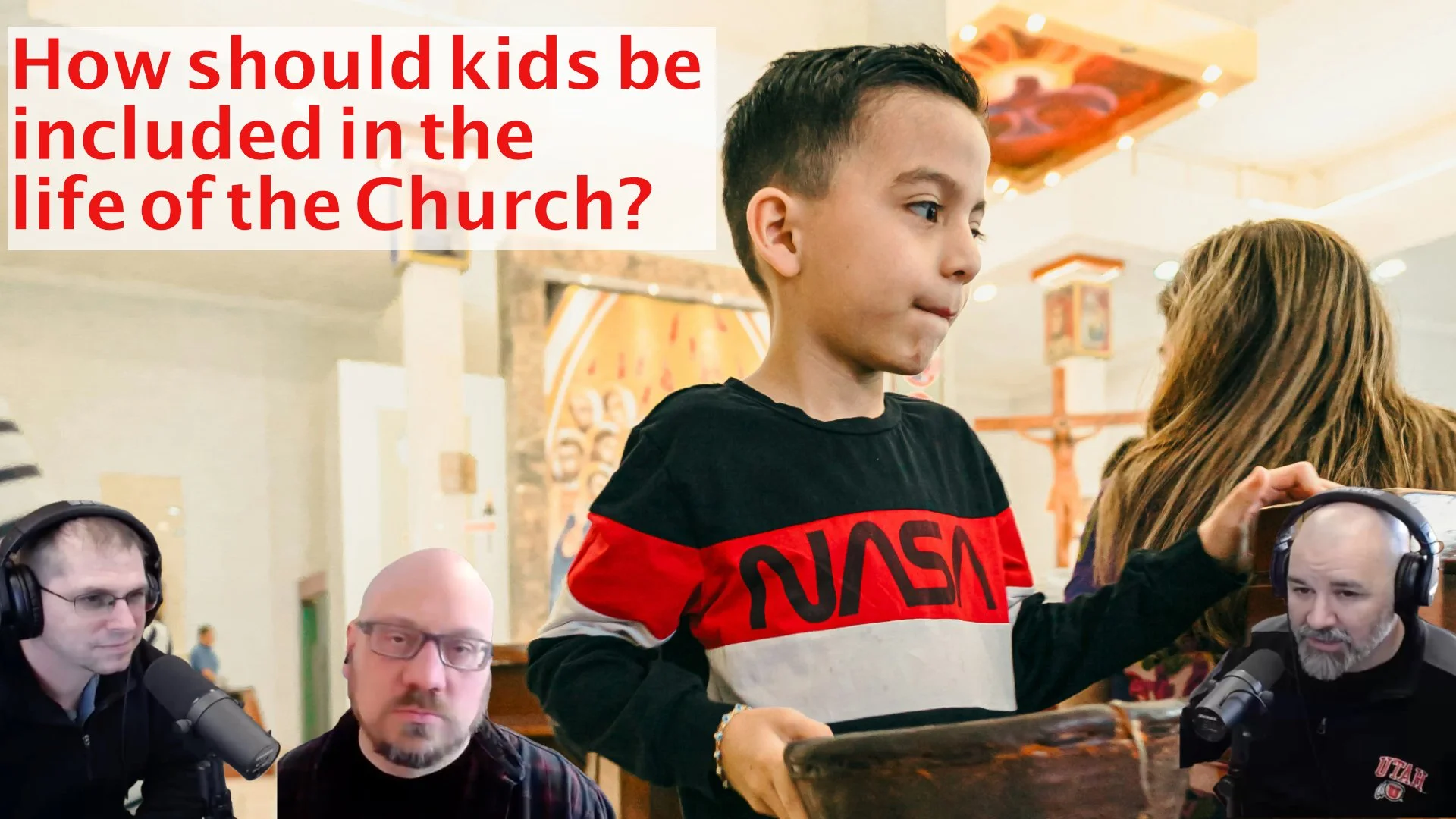
How do we bring young people into the life of the Church? What is their role? How should they be included and how should they be excluded from aspects of the Sunday worship gathering, small groups, service, and other ways we live out our faith in the local church? Kirk Galster, Josiah Walker, and Bryan Catherman discuss this challenging topic and address some of these questions. Should the church include children in aspects of the worship gathering, and in what ways? Collecting the offering, serving on the worship team, and leading in other ways? Should little kids become members? What about young people preaching? This conversation is more than just including children in the worship service. This is about really bringing them in, maybe all the way in. How can children, young people, and new believers be included in the life of the Church, and how does this help train up the next generation? Listen to this episode wherever you get podcasts, watch on YouTube, or listen here:

Salty Believer Unscripted Including Children in the Life of the Church

In addition, this episode of Salty Believer Unscripted was unsponsored by the Reformed Sage, and therefore, we shared an unsolicited, unpaid advertisement for them. (Seriously, the Reformation Sage didn’t pay us to talk about it, and they don’t even know we exist. We just like the Reformed Sage and think you should too.)

Subscribe to the Salty Believer Unscripted on your favorite podcast app, or use these links:
RSS FeedApple Podcasts | iTunes  | Amazon Music | Audible | Player FM | iHeartRADIO | Pocket Casts | Castbox | Podbean | Good Pods | Spotify | Podcast Addict | Pandora | Podchaser | Listen Notes | YouTube (audio) | YouTube (video)

Summary of the Rhythms of the Festivals in Leviticus

As Christians, we live in a routine that’s shaped by the weekly rhythm of the Lord’s day. Some Christians also live in accordance with the rhythms of the “Church Calendar” tradition.  But these pale in comparison to the routines and rhythms of the Jewish calendar set in Leviticus 23-27. Here’s a summary:

Weekly Sabbath (Leviticus 23:1–3). Every seventh day was a Sabbath, a full day of rest and a “holy convocation,” which means God’s people gathered and treated the day as set apart for him (Lev 23:3). No regular work was to be done. Leviticus 23 does not add a special menu here, but elsewhere Israel often marked Sabbaths with extra offerings (Num 28:9–10). The purpose was simple and important. God was teaching his people that life is not only work. They belonged to him, and their time belonged to him. He would provide if they trusted him.

Passover and the Feast of Unleavened Bread (Leviticus 23:4–8). Passover commemorates the night God rescued Israel from slavery in Egypt and marks the beginning of a weeklong festival called Unleavened Bread (Lev 23:5–6; see Exod 12). During that week, they ate bread made without yeast, and on the first and seventh days the people gathered and did no ordinary work (Lev 23:7–8). Special food offerings were also presented to the Lord each day (Lev 23:8). The point was remembrance and trust. God saves. God keeps his promises. God’s people live differently because of what he has done.

Firstfruits (Leviticus 23:9–14). Firstfruits happened at the start of harvest. The people brought the first bundle of the barley harvest to the priest, and it was waved before the Lord as a sign that the whole harvest belonged to God (Lev 23:10–11). Along with it, they offered a burnt offering (a lamb), a grain offering, and a drink offering (Lev 23:12–13). They were not to eat bread or grain from the new harvest until this offering had been made (Lev 23:14). The purpose was to put God first. Before they enjoyed the harvest, they confessed that every good gift came from him.

Feast of Weeks (Pentecost) (Leviticus 23:15–22). Seven weeks after Firstfruits, Israel celebrated Weeks. They brought two loaves of bread baked with yeast as a special offering, along with multiple animal sacrifices (burnt offerings, a sin offering, and peace offerings) (Lev 23:16–20). Peace offerings were associated with a shared meal, and the text highlights that the bread and certain portions belonged to the priest (Lev 23:20). The purpose was gratitude and dependence. God provided the harvest. God deserved public thanks. In the same section, God also commanded generosity. Farmers had to leave some grain for the poor and the foreigner (Lev 23:22). Worship and mercy belonged together.

Feast of Trumpets (Leviticus 23:23–25). On the first day of the seventh month, the people rested and gathered for a memorial announced by loud trumpet blasts (Lev 23:24–25). They did no ordinary work and brought food offerings to the Lord (Lev 23:25). This day was like a spiritual wake-up call. It marked a turning point in the year and prepared everyone for the most serious day that followed, the Day of Atonement.

Day of Atonement (Leviticus 23:26–32). On the tenth day of the seventh month, Israel observed the Day of Atonement. The people gathered, did no work, and they humbled themselves, often with fasting and prayer (Lev 23:27–32). Food offerings were presented to the Lord (Lev 23:27). The purpose was cleansing and forgiveness at a national level. It taught that sin is real and dangerous. It also taught that God is willing to forgive and restore when people come to him on his terms. The detailed sacrifices for this day are explained more fully in Leviticus 16.

Feast of Booths (Tabernacles) (Leviticus 23:33–44). Beginning on the fifteenth day of the seventh month, Israel held a joyful weeklong celebration. They lived in temporary shelters made from branches to remember how God cared for them in the wilderness after the exodus (Lev 23:34, 42–43). The first day was a special gathering with rest from ordinary work, and the eighth day was another gathering with rest (Lev 23:35–36, 39). Food offerings were presented each day (Lev 23:37). The purpose was gratitude and joy. God had carried them through hard years. God still provided them a home and a harvest.

The lamp in the sanctuary (Leviticus 24:1–4). Israel had a daily and weekly rhythm of worship inside the tabernacle. Pure olive oil was brought so the lamp could burn continually before the Lord (Lev 24:2–4). This was not a public festival, but it was a steady reminder that God’s presence and God’s light were central to Israel’s life. Worship was not only for special days. It was meant to be ongoing.

The bread of the Presence (Leviticus 24:5–9). Every Sabbath, twelve loaves of bread were set before the Lord on a special table, with frankincense placed with them (Lev 24:5–7). The bread was then eaten by Aaron and his sons in a holy place because it was “most holy” (Lev 24:8–9). This showed that Israel lived before God. It also showed that the priests were supported through the worship system. God provided for those who served, and the people were represented before him.

Sabbatical year (Leviticus 25:1–7). Every seventh year, the land itself got a Sabbath. Fields were not to be planted, and vineyards were not to be pruned in the normal way (Lev 25:3–4). Whatever grew on its own could be eaten by everyone, including servants, hired workers, foreigners, and even animals (Lev 25:6–7). The purpose was trust and mercy. God taught his people to rely on him for provision. He also built this into the economy so the poor and the outsiders could eat.

Jubilee (Leviticus 25:8–55). After seven cycles of seven years, the fiftieth year was the Jubilee. It began with a trumpet blast on the Day of Atonement (Lev 25:9–10). In Jubilee, land that had been sold returned to the original family, and Israelites who had become servants because of poverty were set free (Lev 25:10, 13, 39–41). The purpose was restoration. God refused to let poverty permanently erase a family’s future. He reminded Israel that the land ultimately belonged to him and that his people were not to be treated like disposable property (Lev 25:23, 55).

You may be questioning what all of this looks like on our modern calendar. That’s where a great Study Bible chart can be helpful.

Weekly Sabbath (Lev 23:3): Every 7th day. For Jews today, that is sunset Friday to sunset Saturday.

Passover (Lev 23:5): 14th day of Nisan. Usually late March to late April.

Unleavened Bread (Lev 23:6–8): 15th to 21st of Nisan, immediately after Passover. Also, usually late March to late April.

Firstfruits (Lev 23:9–14): During Unleavened Bread, “the day after the Sabbath” (Lev 23:11). This is commonly during Passover week, typically late March to late April.

Feast of Weeks (Pentecost) (Lev 23:15–22): Seven weeks after Firstfruits, so usually late May to mid June.

Feast of Trumpets (Lev 23:23–25): 1st day of Tishrei. Usually September to early October.

Day of Atonement (Lev 23:26–32): 10th of Tishrei, 9 days after Trumpets. Usually from September to October.

Feast of Booths (Tabernacles) (Lev 23:33–44): 15th to 21st of Tishrei, with a concluding assembly on the 22nd (Lev 23:34–36, 39). Usually late September to late October.

Lamp and Bread of the Presence (Lev 24:1–9): an ongoing tabernacle rhythm, with the bread set out each Sabbath (Lev 24:8–9).

Vows and tithes (Lev 27): not a single holiday date. These happened as people made vows or as produce and herds increased through the year.

Sabbatical year (Lev 25:1–7): every 7th year, the land rested.

Jubilee (Lev 25:8–55): every 50th year, announced with a trumpet on the Day of Atonement (Lev 25:9–10).


A Summary of the Leviticus 1-7 Sacrifices

Bull

Reading Leviticus can leave your head swimming. Sometimes it’s helpful to have a summary overview first in order to know and understand the parts you are reading. Here’s a summary overview of the prescribed sacrifices in Leviticus 1-7:

Burnt offering (Leviticus 1).  A burnt offering was an animal from the herd or flock (and for the poor, a bird) that was completely burned on the altar. It had to be an unblemished male. The worshiper laid a hand on its head, and the priests handled the blood at the altar (Lev 1:3–4, 10–17). Nothing from the animal was eaten, because “all of it” was burned up (Lev 1:9, 13, 17). It was given so the worshiper could be “accepted” by God and “make atonement,” meaning God provided a way for the person to be welcomed despite sin (Lev 1:4).

Grain offering (Leviticus 2; 6:14–18). A grain offering was fine flour (often baked or cooked), mixed with oil and frankincense, and it could not have yeast (leaven) in it (Lev 2:1–10; 2:11). The priest burned a small “memorial portion” on the altar, and the rest became food for the priests, eaten unleavened in a holy place (Lev 2:2–3; 6:14–18). It was a way to honor God with the fruit of one’s labor and to support those serving at the tabernacle, while still being treated as “most holy.”

Peace offering (Leviticus 3; 7:11–21, 28–34). A peace offering (also used for thanksgiving, vows, and freewill gifts) was an unblemished animal from the herd or flock, male or female (Lev 3:1–17). The fat portions were burned on the altar as God’s portion, but much of the meat was eaten as a joyful meal. The priests received specific portions (the breast and right thigh), and the rest could be eaten by the worshiper and others who were ceremonially clean (Lev 7:19–20, 28–34). Some peace offerings had to be eaten the same day, and others by the next day, with anything left on the third day burned (Lev 7:15–18). This sacrifice expressed a restored relationship and shared fellowship with God, often in gratitude and celebration.

Sin offering (Leviticus 4:1–5:13; 6:24–30). A sin offering was brought when someone sinned unintentionally or became guilty through specific kinds of wrongdoing or uncleanness (Lev 4; 5:1–13). The animal varied by who sinned and what was involved, but the key actions were similar: the priests used the blood in a prescribed way, and the fat portions were burned on the altar (Lev 4:8–10, 20). In some cases (like a bull offered for the priest or the whole community), the hide and remaining parts were taken outside the camp and burned, not eaten (Lev 4:11–12). In other cases, the priest who offered it could eat the meat in a holy place, but any sin offering whose blood was brought into the tent of meeting could not be eaten and had to be burned (Lev 6:26, 30). The point was cleansing and forgiveness. It showed that sin defiles and harms our relationship with God, and God provided a way to deal with it so the person could be forgiven.

Guilt offering (Leviticus 5:14–6:7; 7:1–7). A guilt offering was brought when someone wronged God in a serious way involving “holy things” (things dedicated to worship) or when someone cheated, stole, or otherwise sinned against a neighbor and then realized it (Lev 5:14–16; 6:1–7). The sacrifice was a ram without blemish (Lev 5:15; 6:6). What made it distinctive is that it required repayment: the person had to restore what was taken or damaged and add an extra fifth (20 percent) (Lev 5:16; 6:4–5). The fat portions were burned on the altar, and the remaining meat belonged to the priests to eat in a holy place (Lev 7:3–7). The point was to make wrongs right. It combined forgiveness with real-world repair of the harm done.

Train Them to Listen to Sermons

Learning to listen to sermons does’t just happen by showing up, and the next generation needs to learn how to listen to sermons. It’s by listening to sermons with the desire to grow and think critically, week by week, over many years, that people learn and grow. In this episode, Bryan Catherman and Josiah Walker discuss the idea of preaching as discipleship and training. What is preaching? How does it do the training and discipleship work? Should the Gospel be there every week? What kind of preaching? They discuss these questions and many others. Listen to this episode wherever you get podcasts, watch on YouTube, or listen here:

Salty Believer Unscripted Train Then to Listen to Sermons

In addition, this episode of Salty Believer Unscripted was unsponsored by 9Marks and therefore shared an unsolicited, unpaid advertisement for the 9Marks podcast, “Bible Talk.” (Seriously, 9Marks didn’t pay us to talk about it, and they don’t even know we exist. We just like “Bible Talk” and think you should too.)

Subscribe to the Salty Believer Unscripted on your favorite podcast app, or use these links:
RSS FeedApple Podcasts | iTunes  | Amazon Music | Audible | Player FM | iHeartRADIO | Pocket Casts | Castbox | Podbean | Good Pods | Spotify | Podcast Addict | Pandora | Podchaser | Listen Notes | YouTube (audio) | YouTube (video)

Train Them Up: One-On-One Discipleship

A graphic with the words, One-on-One Discipleship

As we consider what's needed to train the next generation of Christians, Bryan Catherman and Josiah Walker discuss one-on-one discipleship. Why is one-on-one discipleship important? How do we do one-on-one discipleship? What’s the difference between formal and informal discipleship? What might be the pushback? Why don't we do it? They discuss these questions and share some tools they use for one-on-one discipleship. Subscribe and listen to this episode of Salty Believer Unscripted wherever you get podcasts, watch on YouTube, or listen here:

Salty Believer Unscripted Train Them Up: One-On-One Discipleship

Subscribe to the Salty Believer Unscripted on your favorite podcast app, or use these links:
RSS FeedApple Podcasts | iTunes  | Amazon Music | Audible | Player FM | iHeartRADIO | Pocket Casts | Castbox | Podbean | Good Pods | Spotify | Podcast Addict | Pandora | Podchaser | Listen Notes | YouTube (audio) | YouTube (video)

Train Them Up: An Introduction

Bryan and Josiah with the question, "Can The Next Generation Be Trained?"

There seems to be a boost of young men becoming Christians and engaging with the local church. Is it true? With the significance of generational differences, how are the Boomers and Gen-X generation going to train the Millennials and Zoomers (Gen-Z and Gen-A) if there are more young men coming to church? In this Salty Believer Unscripted series, Bryan Catherman and Josiah Walker start a series about training up the next generations for ministries. Bryan also deals with a negative email concern. And they've started an unsolicited, unsponsored advertisement that's fitting for an unscripted podcast. Listen wherever you get your favorite podcasts, watch on YouTube, or listen here:

Salty Believer Unscripted Train Them Up: An Introduction

Subscribe to the Salty Believer Unscripted on your favorite podcast app, or use these links:
RSS FeedApple Podcasts | iTunes  | Amazon Music | Audible | Player FM | iHeartRADIO | Pocket Casts | Castbox | Podbean | Good Pods | Spotify | Podcast Addict | Pandora | Podchaser | Listen Notes | YouTube (audio) | YouTube (video)

Should We Read Creeds in Church Services?

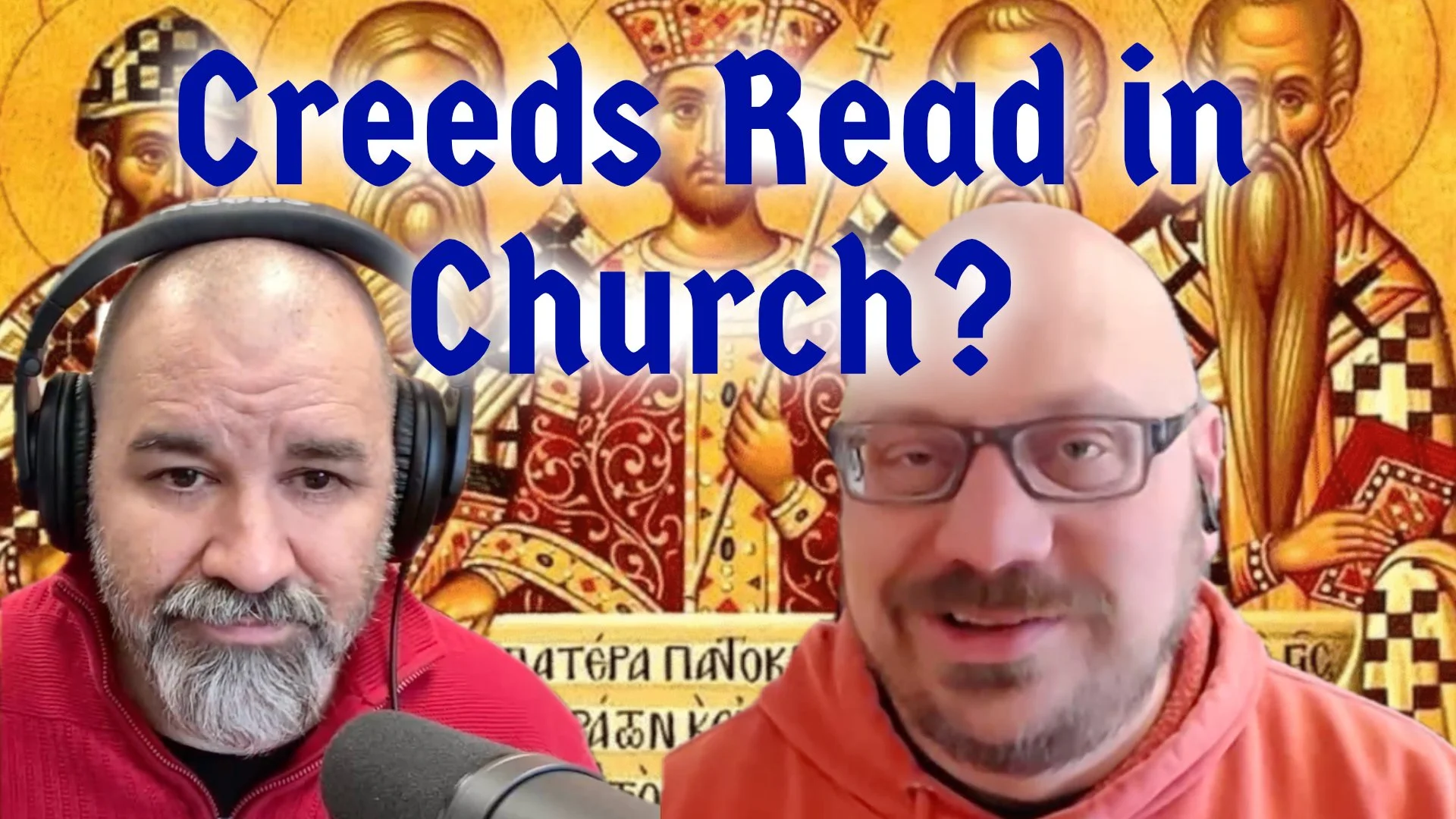
Text reading, "Creeds Read in Church?" with images of Bryan Catherman and Josiah Walker

How can a church incorporate a creed, confession, or catechism in weekly gatherings and services? Should they? Before dealing with the primary question, we must define the terms. What is a creed? What is a confession? What’s the difference? What is a catechism? How can we use these things in our spiritual journey? How do they help us grow? How can they be used in weekly worship services? Should they be used in a local church gathering? If a Pastor wants to integrate these things, how does he get there? In this episode of Salty Believer Unscripted, Bryan Catherman and Josiah Walker chat about creeds, confessions, and catechisms. Subscribe to the podcast wherever you get podcasts, watch on our YouTube channel, or listen here:

Salty Believer Unscripted Should We Read Creeds in Church Services?

Subscribe to the Salty Believer Unscripted on your favorite podcast app, or use these links:
RSS FeedApple Podcasts | iTunes  | Amazon Music | Audible | Player FM | iHeartRADIO | Pocket Casts | Castbox | Podbean | Good Pods | Spotify | Podcast Addict | Pandora | Podchaser | Listen Notes | YouTube (audio) | YouTube (video)

Disciplines of a Godly Man (and Heaven Taken by Storm)

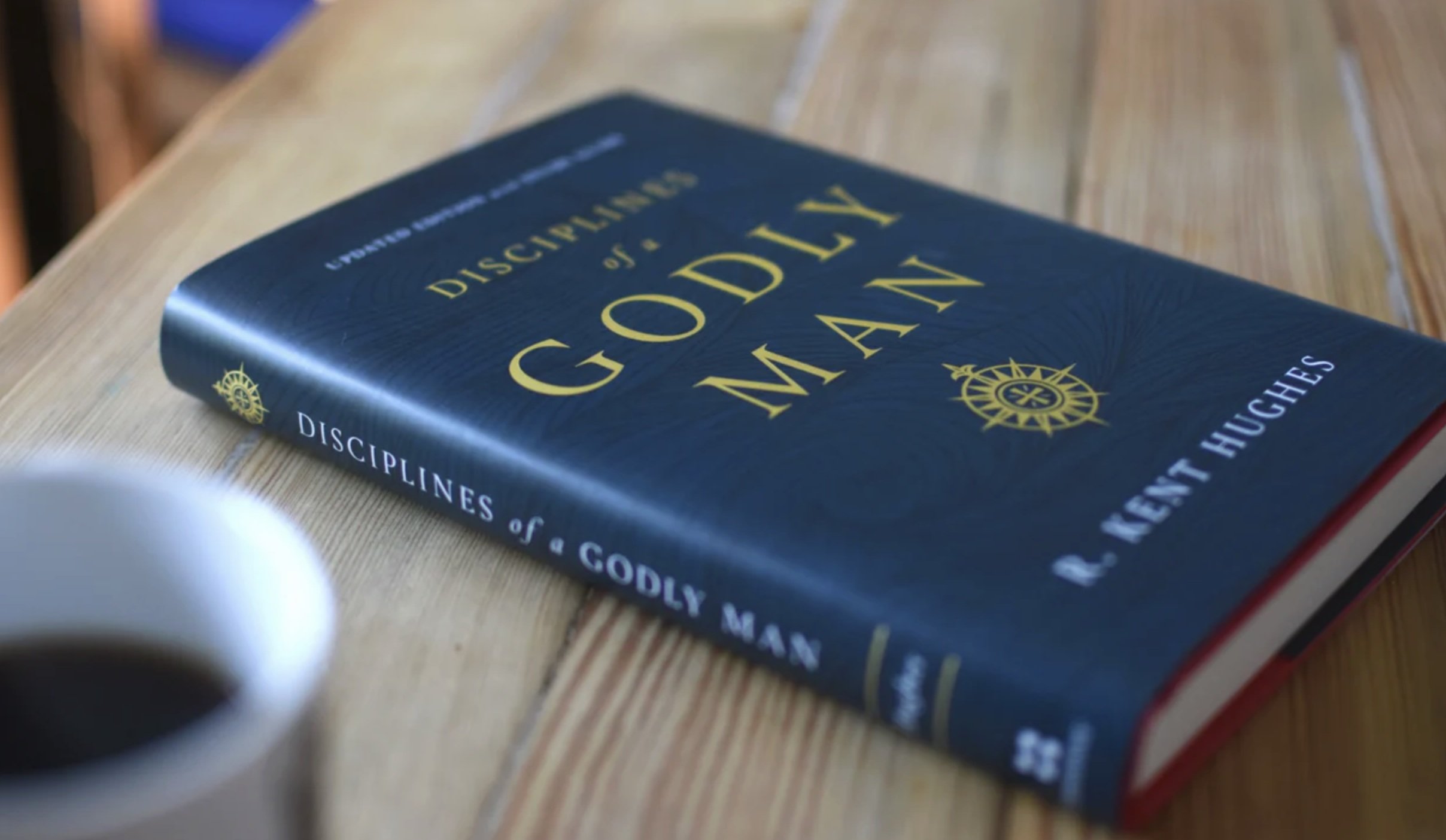
A book titled Disciplines of a Godly Man sitting on a table.

There's something going on with young Christian men in America. Studies are finding more young men in church than young women. Bible sales are up, but not by a noticeable margin. More and more football players are talking about God on national television than ever before. College campuses are buzzing with theological talk, and the greater majority of it is among men. And this even seems to be stirring some action in older men. Therefore, there's never been a better time than now to press into being a godly man and raising up godly men.

Disciplines of a Godly Man by Kent Hughes is 19 chapters of easy-to-read, real-to-life, rich instruction for personal reflection, one-on-one discipleship, or men's group studies. I lead two small groups of young men, and we start with Disciplines of a Godly Man. I am also using the table of contents as the direction for our monthly men’s breakfasts at the church where I’m a pastor. (I am using a Text for each of the topics, but the topic is driving my choice of Texts.) The book has been in print since 1991 and has been updated a few times, but it is more important now than ever. It’s outstanding if you're looking to grow as a godly man. It’s also an excellent book for men’s groups and one-on-one discipleship.

Here’s a video of my thoughts and recommendations for Kent Hughes’ Disciplines of a Godly Man (Crossway, 2019). I also couldn’t help a brief discussion of Thomas Watson’s book, “Heaven Taken by Storm” (Banner of Truth).


Find this book wherever you buy good books or get it on Amazon here: https://amzn.to/3YN4Zbl. Find more book reviews and recommendations like this one on my book recommendations page.

Journey Through John: A 5-Minute Bible Study

Bryan Catherman is taking a journey through John on YouTube, with a simple, 5-minute daily Bible study. He and Josiah Walker discuss what’s behind it, why it's done, and how it works on this episode of Salty Believer Unscripted. Find the Journey Through John playlist on the SaltyBeliever.com YouTube channel. Listen to this episode of Salty Believer Unscripted wherever you get podcasts, watch this episode on YouTube, or listen here:

Salty Believer Unscripted Journey Through John: A 5-Minute Bible Study

Subscribe to the Salty Believer Unscripted on your favorite podcast app, or use these audio links:
RSS FeedApple Podcasts | iTunes  | Amazon Music | Audible | Player FM | iHeartRADIO | Pocket Casts | Castbox | Podbean | Good Pods | Spotify | Podcast Addict | Pandora | Podchaser | Listen Notes | YouTube

Watch the recording of this podcast on our YouTube Channel:
Salty Believer Unscripted Video Playlist

Intern Episode: Daniel Catherman

It’s important that Christian churches and ministries seek to raise up Christian ministers for and from the next generation. We want to do our part, even at a website and podcast of obscurity. This is why we have a podcast intern. We don't even know what that really is when it comes to a podcast like this one, but it gives us a good excuse to challenge young people to serve, learn, and grow. Over the past 14 years of the podcast, previous interns have gone on to become biblical counselors, missionaries, associate pastors, and even a lead Pastor. This is a special episode, so we could interview Daniel the Intern, moving him out from behind his other duties and putting him in front of the microphone. He discussed his premium Schuyler Bible, Tim Wildsmith, and many more things. He’s the youngest intern we’ve ever had, and yes, we know there could be some nepotism at play here. Listen to this episode wherever you get your podcasts or listen here:

Salty Believer Unscripted Intern Episode: Daniel Catherman

Or watch us record the episode on YouTube here:

Subscribe to the Salty Believer Unscripted on your favorite podcast app, or use these links:
RSS FeedApple Podcasts | iTunes  | Amazon Music | Audible | Player FM | iHeartRADIO | Pocket Casts | Castbox | Podbean | Good Pods | Spotify | Podcast Addict | Pandora | Podchaser | Listen Notes | YouTube